

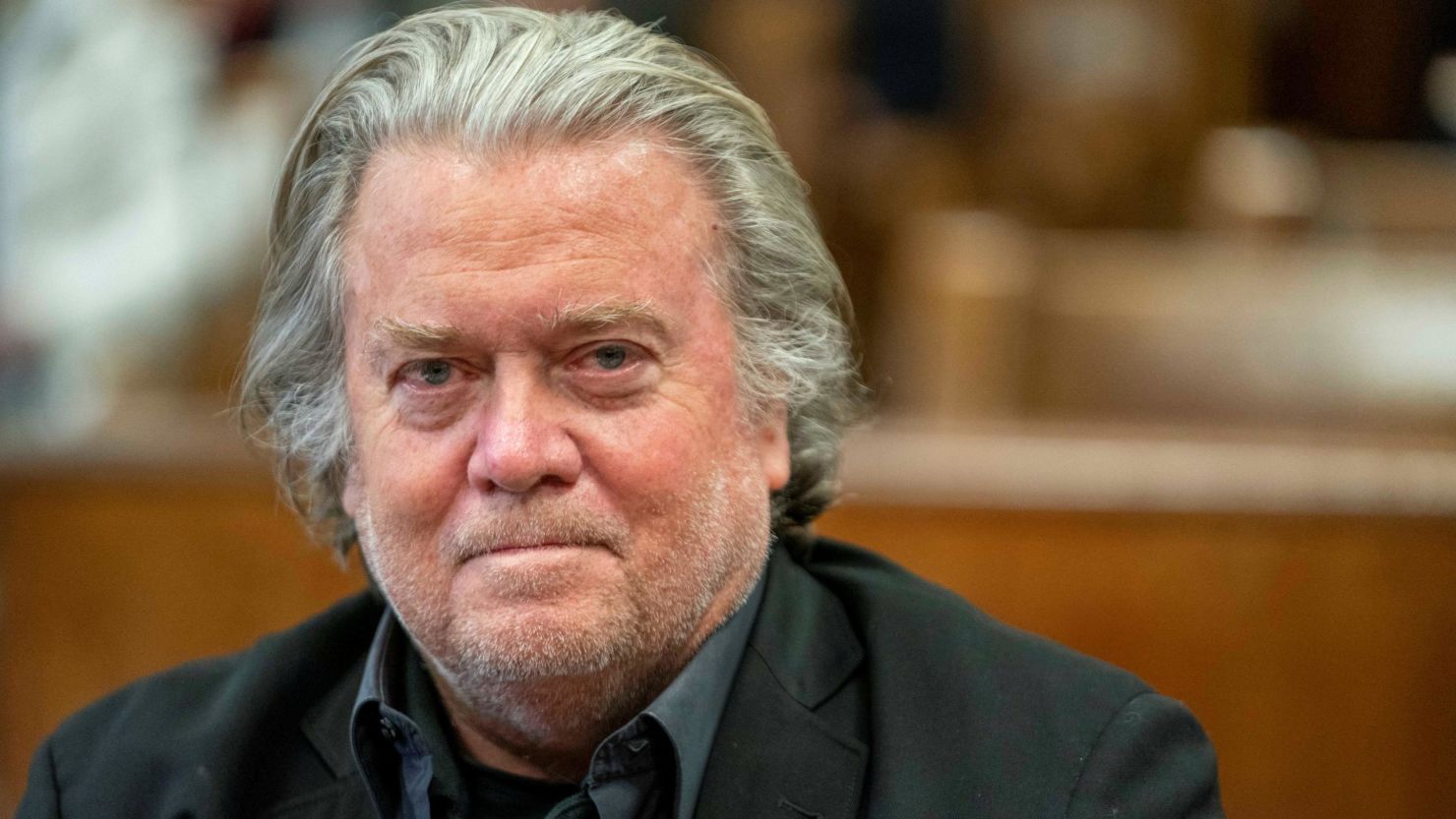
In an era defined by relentless political noise and cultural division, two very different figures continue to command attention in radically different ways. Steve Bannon, the combative political strategist known for his hardline rhetoric, remains a prominent voice in nationalist circles. Meanwhile, Bruce Springsteen — "The Boss" to millions — continues to use music and public appearances to articulate a vision rooted in empathy, working-class dignity, and democratic ideals.
The contrast has not gone unnoticed.
While Bannon builds arguments around borders, sovereignty, and cultural preservation, Springsteen builds songs around factory workers, small towns, restless dreamers, and families trying to hold themselves together. One speaks in the language of political combat. The other, in chords and stories.
A Voice Forged in Working-Class America
Bruce Springsteen's identity has long been intertwined with the American working class. Emerging from Freehold, New Jersey, in the early 1970s, he crafted songs that chronicled economic hardship, fading industrial towns, and the quiet resilience of ordinary people. Albums like Born to Run, Darkness on the Edge of Town, and The River cemented his role as a storyteller of blue-collar struggle.

Over time, that storytelling evolved into something larger. Springsteen's lyrics became intertwined with broader questions about justice, opportunity, and the American promise itself. Songs such as "Born in the U.S.A." — often misunderstood as patriotic bombast — were, in fact, deeply critical reflections on the treatment of Vietnam veterans and working-class communities.
For Springsteen, music has never been detached from civic life. It has been a platform.
Politics and Principle
Springsteen has been vocal about his political views, particularly in recent decades. He has supported Democratic candidates, spoken out against authoritarian tendencies, and used his stage to advocate for inclusion and democratic norms. In interviews, he has emphasized that his concerns center not on partisan loyalty, but on protecting what he views as fundamental American values: fairness, opportunity, and freedom of expression.

Steve Bannon, by contrast, has championed a populist nationalist vision that challenges globalism and traditional political institutions. His rhetoric often frames politics as a cultural war — a battle for identity and control.
The ideological gulf between the two men reflects broader divisions within American society. Yet the difference in tone may be just as striking as the difference in policy.
Bannon operates in the realm of strategy and confrontation. Springsteen operates in the realm of narrative and emotion.
Music as Resistance
At recent concerts, Springsteen has woven pointed commentary into his performances, speaking about democracy, the importance of voting, and the need for collective compassion. For his supporters, these moments are not distractions from the music — they are extensions of it.
When he sings about factory layoffs or a veteran's broken dreams, he is not merely recounting fictional tales. He is amplifying lived experiences that often go unheard in political debates.
Critics argue that entertainers should remain apolitical. Springsteen, however, has consistently rejected that notion. To him, the stage is not just a place for entertainment, but for engagement.
"He's not preaching," one longtime fan said after a recent show. "He's reminding us that the stories still matter."
Breaking Walls, Building Bridges
Supporters often frame the contrast in stark terms: while political operatives build rhetorical walls, Springsteen uses music to break them down. His concerts draw multigenerational crowds — union workers, suburban families, young activists — united less by ideology than by shared emotional resonance.
In that sense, Springsteen's power lies not in policy proposals but in connection. He does not draft legislation. He crafts choruses that thousands sing together.
Whether one agrees with his politics or not, his influence is undeniable. Decades into his career, Springsteen continues to command arenas and headlines alike. He remains a cultural force precisely because he refuses to retreat into silence.
The Enduring Role of The Boss
As America navigates a turbulent political landscape, figures like Bannon and Springsteen symbolize competing visions of the nation's future. One relies on confrontation and disruption. The other leans on storytelling and solidarity.
Call Springsteen a rebel. Call him a chronicler of the American dream's fractures. Call him a voice that refuses to dim.
Whatever the label, one fact remains: when Bruce Springsteen steps to the microphone, he is doing more than performing. He is participating in the ongoing argument about what America is — and what it should be.
And in that arena, The Boss has never been content to sit quietly on the sidelines.