

Bruce Springsteen, long celebrated as the voice of the American working class, is facing mounting criticism from some of his most loyal fans after ticket prices for his upcoming "Land of Hope and Dreams" tour surged to nearly $3,000 on resale and dynamically priced listings. The controversy has ignited a heated debate among fans, critics, and music industry observers about concert pricing, accessibility, and the complicated relationship between artists and modern ticketing systems.
For many supporters who have followed Springsteen's music for decades, the soaring costs feel at odds with the image the rock icon has built throughout his career.
A Tour With a Powerful Message
The upcoming tour, set to begin March 31 in Minneapolis, carries a message centered on democracy, civic engagement, and social awareness. Named after Springsteen's song Land of Hope and Dreams, the tour is expected to feature music that reflects many of the themes the singer has explored throughout his career: resilience, social justice, and the struggles of ordinary Americans.
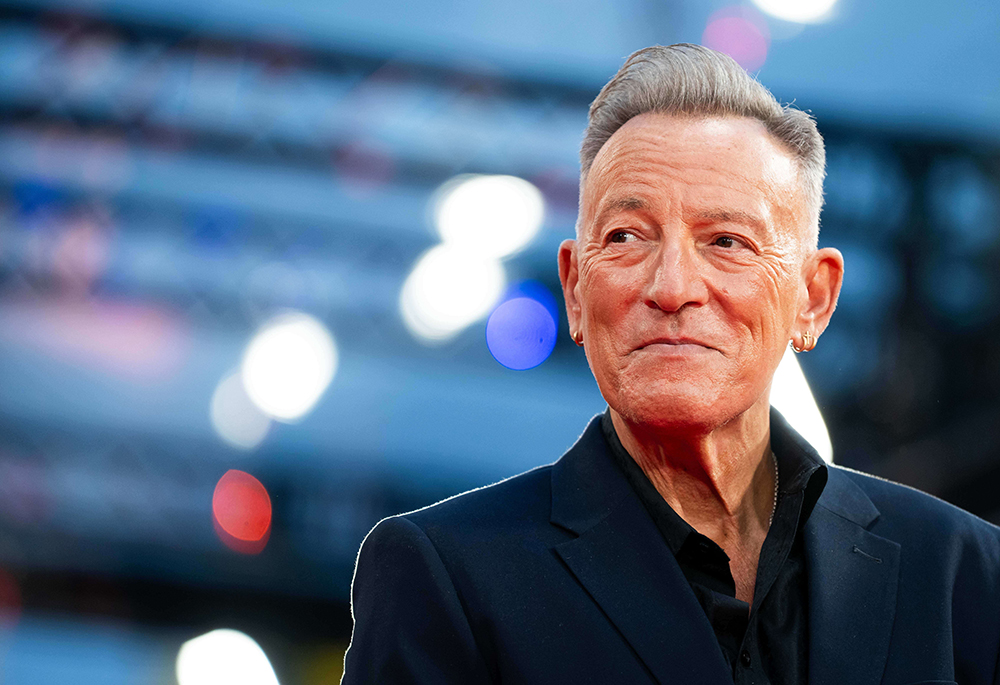
Springsteen's songs have long resonated with working-class audiences. Tracks such as Born to Run, The River, and Born in the U.S.A. helped cement his reputation as an artist who speaks directly to the experiences of factory workers, veterans, and everyday Americans trying to navigate economic hardship.
Because of that identity, many fans expected the tour to feel like a continuation of that connection.
Instead, the ticket controversy has shifted the focus of the conversation.
Ticket Prices Spark Fan Outrage
Shortly after tickets became available, fans began posting screenshots of listings showing prices climbing dramatically—some approaching or exceeding $3,000 for premium seats.
Many of these prices were driven by Ticketmaster's dynamic pricing system, which adjusts ticket costs based on demand. As interest surges, prices can rise rapidly in a manner similar to airline tickets or hotel bookings.
For fans eager to attend the tour, the results were shocking.
Social media quickly filled with frustrated reactions from longtime supporters who said they felt priced out of seeing an artist whose music had once felt deeply connected to their lives.
Some fans argued that the price levels directly contradict the values Springsteen's music has represented for decades.
One widely shared comment from a fan read:
"I've been listening to Bruce since the 1980s. His songs spoke for people like me. But now I can't afford to see him live anymore."
The Role of Dynamic Pricing

The controversy has also reignited criticism of dynamic ticket pricing, a system increasingly used by major ticket platforms.
Under this model, ticket prices fluctuate in real time based on demand. Supporters of the system argue that it helps ensure tickets are sold closer to their true market value and reduces the profits made by scalpers in the secondary market.
Critics, however, say the system often results in dramatic price increases that make concerts inaccessible to average fans.
Because demand for Springsteen's shows remains extremely high—even after decades of touring—dynamic pricing has caused ticket costs to rise quickly.
For many fans, the distinction between the artist, the ticketing company, and the overall concert industry structure can be difficult to untangle.
Fans Question the "Working Class" Image
Much of the backlash centers on Springsteen's long-established public persona.
Throughout his career, the singer has been widely viewed as an artist who represents the voices of working-class Americans. His storytelling often focuses on economic struggle, small-town life, and the pursuit of dignity through hard work.
That identity has been central to his connection with audiences.
Critics of the ticket pricing argue that allowing prices to climb so high undermines that image.
Some fans say the situation highlights a growing gap between the cultural symbolism of artists and the realities of the modern entertainment industry.
Others point out that Springsteen is far from the only major performer facing similar controversies, as ticket prices across the live music industry have risen dramatically in recent years.
Industry Pressures and Modern Touring Economics

Concert tours have become one of the primary sources of revenue for musicians in an era when streaming has significantly changed how music generates income.
Large-scale tours involve complex logistics, including stage production, crew salaries, travel costs, venue fees, and marketing. These expenses have increased in recent years, contributing to higher ticket prices across the industry.
At the same time, platforms like Ticketmaster have faced increasing scrutiny from regulators and fans alike over pricing practices and market dominance.
The debate surrounding Springsteen's tour highlights broader tensions between artists, ticketing companies, and fans navigating a rapidly evolving entertainment economy.
A Divided Fan Reaction
Despite the criticism, many fans continue to support Springsteen and defend his legacy.
Some argue that the artist himself may not control the final ticket prices, noting that pricing decisions often involve promoters, venues, and ticketing platforms.
Others say that Springsteen's decades of music and activism still outweigh the controversy surrounding a single tour.
Still, the frustration expressed online suggests that the issue resonates deeply with fans who feel a personal connection to the artist's message.
The Tour Moves Forward
As the "Land of Hope and Dreams" tour approaches its opening night in Minneapolis, the conversation surrounding ticket prices continues to grow.
Whether the backlash will affect attendance remains unclear. Springsteen's concerts historically sell out quickly, and demand for his performances remains strong worldwide.
However, the controversy has opened a broader discussion about accessibility, fairness, and the future of live music.
For an artist whose career has been built on telling the stories of ordinary Americans, the debate highlights a complex question facing the modern music industry:
How can legendary performers maintain their connection with fans when the economics of live entertainment continue to push ticket prices higher than many supporters can afford?