

Legendary rock musician Jon Bon Jovi is known around the world for stadium anthems and decades of chart-topping hits. But during a recent appearance with television host Nicolle Wallace, the iconic singer stepped away from music to speak openly about something far more personal: his concerns for the direction of the United States and the responsibility citizens share in shaping its future.
The conversation, which aired during Wallace's program, quickly drew attention not because of controversy or spectacle, but because of its reflective tone. Rather than delivering a political speech, Bon Jovi spoke with the calm intensity of someone who has spent decades observing the country that helped shape his career.
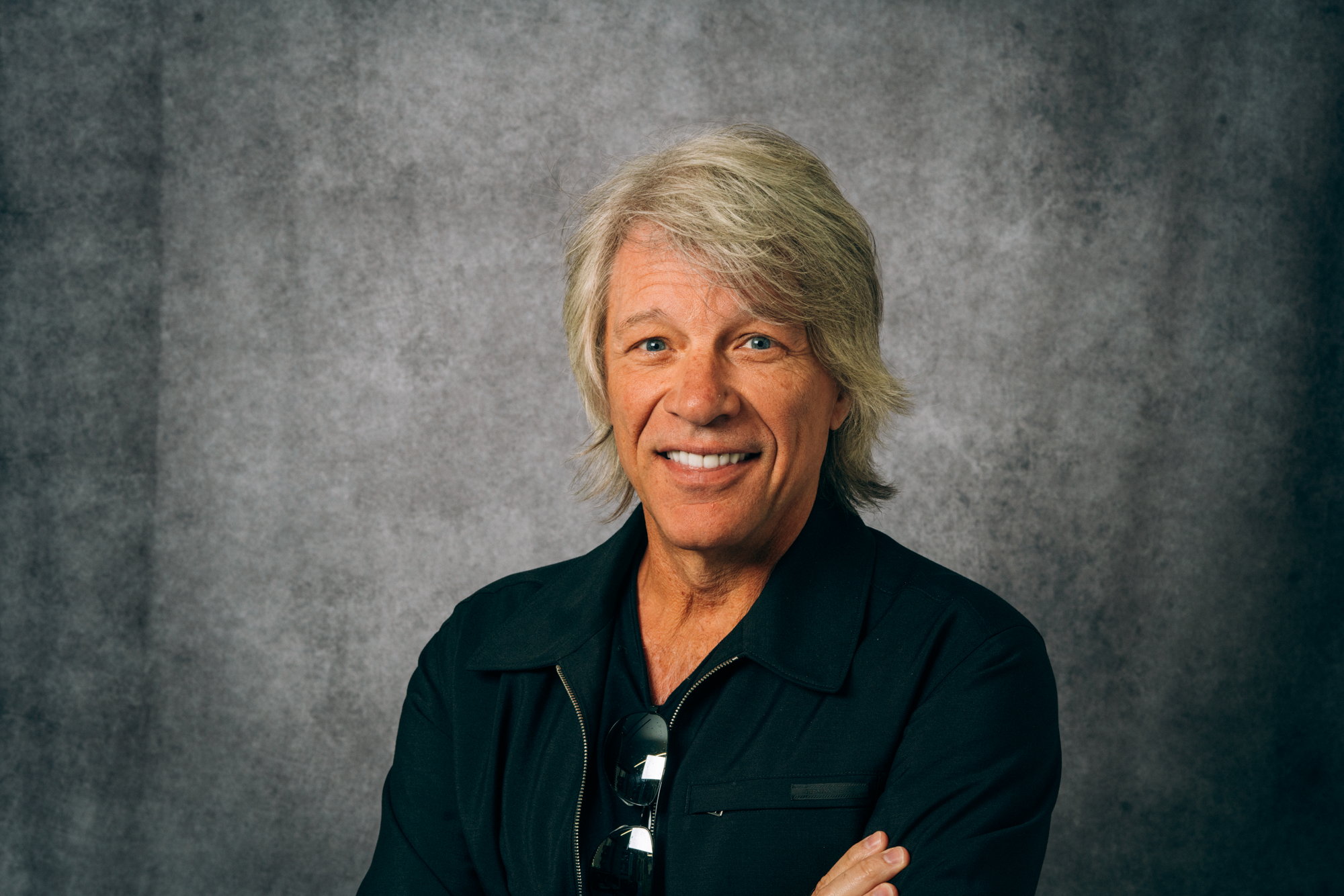
Throughout the interview, he appeared thoughtful and at times visibly emotional as he described the divisions he believes are affecting communities across the nation.
A Conversation That Felt Personal
The interview began as many conversations with musicians do — with reflections on career milestones and the cultural impact of music. Wallace asked Bon Jovi about the unique ability artists sometimes have to connect with people across political and social lines.
For an artist whose songs have been sung by generations of fans, the question carried weight.
Bon Jovi acknowledged that music often reflects the emotions and struggles of everyday life. But he quickly shifted the conversation toward something deeper: the challenges facing communities across the country and the role ordinary citizens play in shaping what comes next.
"People care deeply about their families, their towns, and their futures," he said during the interview. "That sense of responsibility for where we're going as a country matters."
Reflecting on National Divisions
One of the most striking aspects of the conversation was Bon Jovi's willingness to discuss the divisions he sees in modern American life.
He spoke about how public discourse has become increasingly tense in recent years, with disagreements often turning into personal conflict rather than productive conversation.
According to Bon Jovi, those divisions are not just political—they affect communities, friendships, and families.
"We're living in a time when people are talking past each other," he explained. "And that makes it harder to solve the real problems that people are facing every day."
His comments were not framed as partisan criticism. Instead, Bon Jovi emphasized the importance of listening and understanding different perspectives.
The Role of Citizens in Democracy
Another central theme of the interview was the idea that the future of the country does not depend solely on political leaders.
Bon Jovi repeatedly returned to the belief that citizens themselves play a crucial role in shaping democratic institutions and community life.
"The direction of the country is ultimately about the choices people make together," he said. "It's about whether we stay engaged with our communities and with each other."
He encouraged viewers to remain active participants in civic life, whether through voting, volunteering, or simply staying informed about the issues affecting their communities.
A Rock Star with a Long View of America
For more than four decades, Jon Bon Jovi has traveled across the United States performing for audiences in cities, towns, and rural communities alike. That experience, he said, has given him a unique perspective on the country.
His music has long reflected the lives of working people, from the struggles described in songs like Livin' on a Prayer to the themes of perseverance and hope that run through much of his catalog.
Those experiences have shaped how he sees the country today.
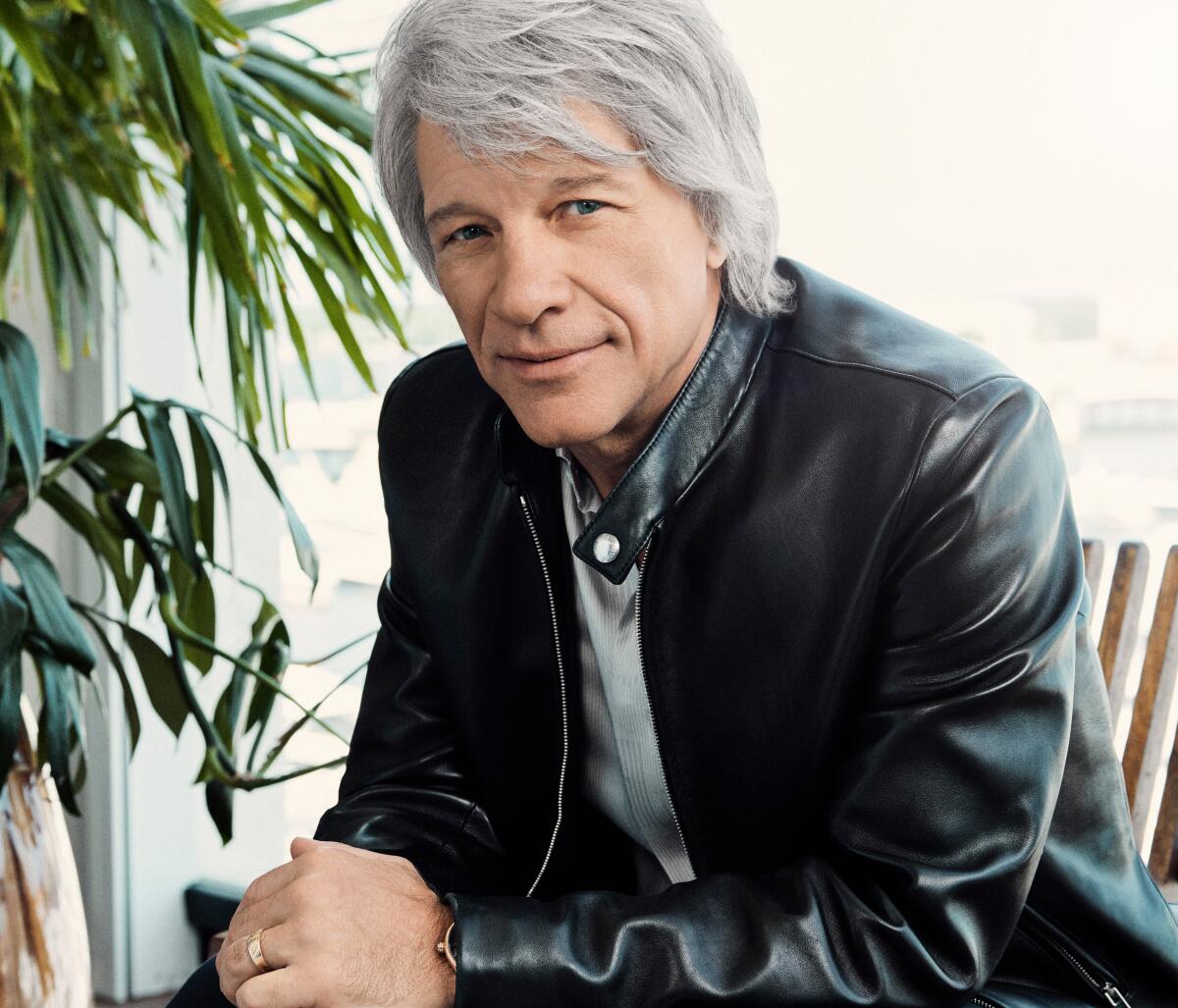
"When you spend that much time traveling and meeting people, you understand how much people care about where they live," he said.
According to Bon Jovi, that shared sense of belonging is something worth protecting.
A Different Kind of Interview
What made the conversation stand out was its tone. Instead of heated debate or dramatic confrontation, the exchange between Wallace and Bon Jovi felt reflective and sincere.
The musician paused frequently to consider his answers, sometimes speaking slowly as if weighing the importance of each word.
Wallace noted that the moment felt less like a political interview and more like a thoughtful discussion about civic responsibility and the future of the country.
Viewers responded in similar ways online, describing the segment as a rare example of a public conversation that focused on reflection rather than argument.
The Influence of Artists Beyond Music
Bon Jovi also addressed the broader question of whether musicians should speak publicly about social or political issues.
While some critics believe entertainers should remain separate from public debates, Bon Jovi suggested that artists, like all citizens, have the right to share their perspectives.
"Music has always been connected to people's lives," he said. "And when people are worried about the future, those feelings show up in the art."
Throughout American history, musicians have often reflected the hopes and struggles of the communities they represent. Bon Jovi believes that tradition continues today.
A Message About Community
By the end of the interview, Bon Jovi returned to the idea that caring about the future of one's community is not a political act but a human one.
He spoke about the importance of compassion, cooperation, and the willingness to work together despite disagreements.
"The future isn't something that just happens to us," he said. "It's something we build together."
For fans who know Jon Bon Jovi primarily as the energetic frontman of one of rock music's most enduring bands, the interview offered a different glimpse of the artist — one that emphasized reflection, responsibility, and hope.
And while the conversation may not have included the roar of a stadium crowd, its message resonated just as strongly: the future of a nation depends on the people who care enough to shape it.